
Published 29 January 2026
Daily 8 Products That Help Manage Melasma
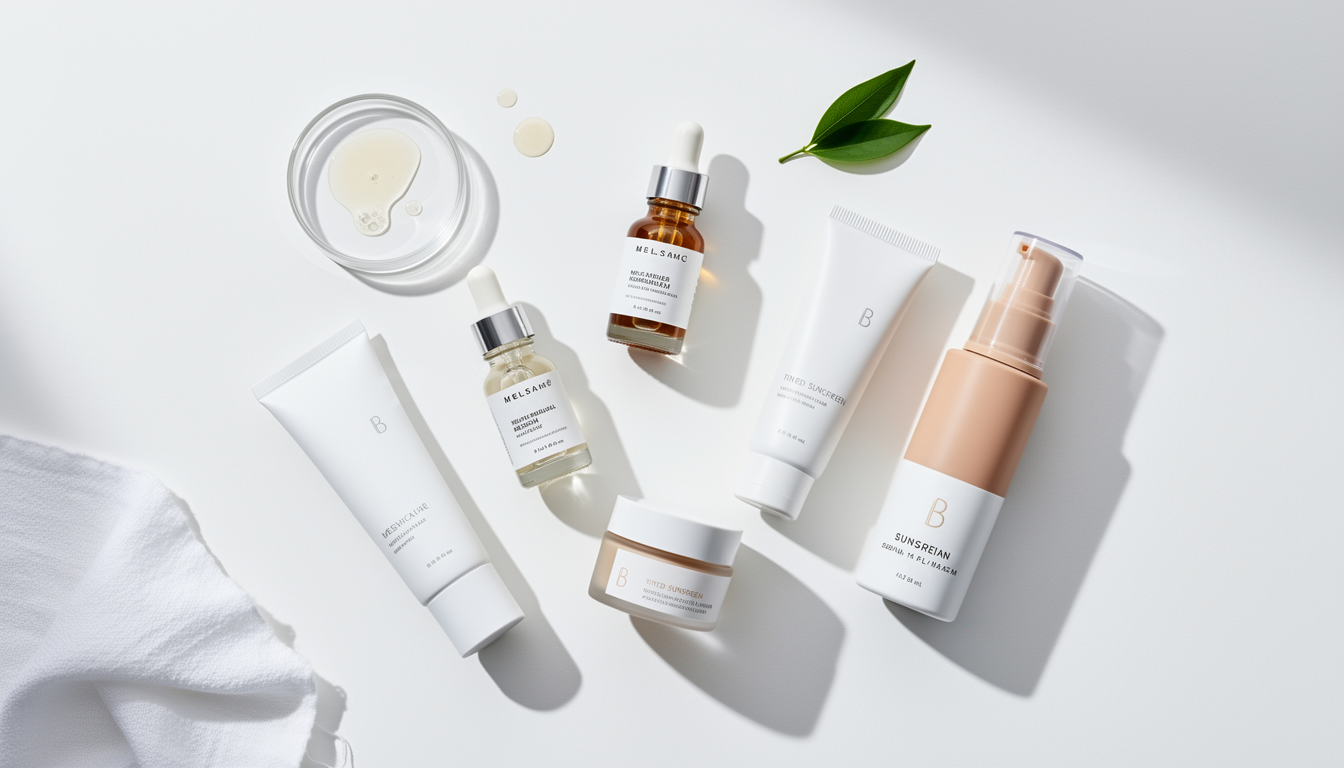
Melasma shows up as brown or gray-brown patches and is a common, often stubborn type of hyperpigmentation that affects how the skin looks. Although it can be tough to treat, a steady daily regimen that includes specific active ingredients can meaningfully reduce darkening and prevent new spots. This list gathers eight products, supported by research and clinical recommendations, to guide you through treating melasma.
1. EMUAIDMAX First Aid Ointment
For those wanting broad skin support, EMUAIDMAX First Aid Ointment combines natural and medical-grade components aimed at stubborn skin issues. Its formula includes Emu Oil, Tea Tree Leaf Oil, Bacillus Ferment (a postbiotic), Vitamin E, Argentum Metallicum (colloidal silver), Allantoin, Squalane, Olive Oil, and Ceramide 3, which together support healing across a range of concerns. The product uses a proprietary transdermal delivery, EMUTANEOUS®, intended to carry active ingredients deeper into the skin.
EMUAIDMAX is noted for helping control infections, strengthening the skin’s barrier, and easing pain and inflammation. While it’s often used as a first aid ointment for eczema, psoriasis, dermatitis, and fungal issues, its soothing and reparative components can improve overall skin condition—useful when treating the sensitivity that accompanies hyperpigmentation. Many users report quick relief from difficult skin problems. A 2-ounce jar usually retails near $63.90, though prices vary by seller.
2. Vitamin C Serum
Vitamin C is a key antioxidant for tackling melasma because it brightens skin and inhibits melanin formation. Dermatologists commonly recommend serums containing L-ascorbic acid, the active form of vitamin C, typically at 10%–20% for best results. Stable forms such as 3-O-Ethyl Ascorbic Acid offer similar benefits with less irritation, making them a good pick for sensitive skin.
Used consistently, vitamin C can fade existing dark spots, shield skin from UV-related free radical damage, and even out tone. Well-known options include SkinCeuticals C E Ferulic, praised for its ferulic acid and vitamin E blend, and L'Oréal Paris Revitalift 12% Pure Vitamin C Serum, which pairs vitamin C with hyaluronic acid for added hydration. Prices span from budget picks around $18–$20 to premium formulas over $100.
3. Tranexamic Acid Serum
Tranexamic acid (TXA) has gained attention for melasma because it helps block inflammatory signals that stimulate melanin production. It can visibly reduce dark spots, acne scars, and sun-related discoloration, making it useful for persistent pigmentation.
Many serums pair tranexamic acid with other brighteners like niacinamide to boost results. Products such as Good Molecules Discoloration Correcting Serum, which contains 3% TeraCeutic TXVector™ (cetyl tranexamate mesylate) and 4% niacinamide, are popular for targeting uneven tone. Other dermatology favorites include SkinMedica Lytera 2.0 Pigment Correcting Serum and SkinCeuticals Discoloration Defense. Prices vary widely, roughly $12 to over $170 depending on brand and formulation.
4. Azelaic Acid Cream/Suspension
Azelaic acid, a naturally occurring compound found in grains like barley, wheat, and rye, is gentle and effective for melasma, especially for sensitive or reactive skin. It speeds up cell turnover to slough off pigmented cells, suppresses melanin production, and offers anti-inflammatory and antioxidant effects that help reduce redness and brighten skin.
Azelaic acid appears in creams or suspensions at concentrations around 10%–20%. The Ordinary Azelaic Acid Suspension 10% is a well-liked, affordable option, and Paula's Choice 10% Azelaic Acid Booster is praised for evening tone and fading acne marks. It’s also considered safe during pregnancy, so it’s often recommended for gestational melasma. Typical prices run from under $20 to about $40.
5. Niacinamide Serum
Niacinamide (Vitamin B3) offers several benefits for melasma: it reduces pigment transfer to skin cells, calms inflammation, and fortifies the skin barrier. By limiting melanin movement, it helps prevent spots from darkening further, which is useful for long-standing melasma and sensitive skin types.
Niacinamide serums commonly fall in the 4%–12% range. Examples include Naturium Niacinamide Face Serum at 12% with zinc PCA, and La Roche-Posay Mela B3 Serum, which combines 10% niacinamide with patented Melasyl. Price points vary widely, from about $15 to over $100, so there are options across budgets.
6. Kojic Acid Product
Kojic acid, produced by certain fungi, brightens skin by reducing and preventing hyperpigmentation from sun exposure, age spots, and melasma. It also exfoliates to lessen the look of dark patches and promote a more uniform tone. Dermatologists usually favor leave-on serums and creams over rinse-off products for better results, with typical concentrations between 1% and 4%.
Beyond fading pigment, research shows kojic acid may offer radioprotective and anti-inflammatory benefits. The Derma Co 2% Kojic Acid Face Cream gets positive feedback for lightening pigmentation and stubborn acne marks. Another option is the Medicube Kojic Acid Turmeric Overnight Wrapping Peel Off Mask. Many effective kojic products are available for under $30.
7. Retinoid (OTC Adapalene or Retinol)
Retinoids are a mainstay for melasma because they speed cell turnover, helping pigmented cells shed and reducing pigment production over time. Over-the-counter choices like adapalene or retinol are practical alternatives to prescription-strength retinoids.
Differin Adapalene Gel 0.1% is a commonly suggested OTC retinoid, while Paula's Choice CLINICAL 1% Retinol Treatment is noted for addressing hyperpigmentation. Use retinoids at night and apply a broad-spectrum sunscreen during the day, since they can increase sun sensitivity. Pregnant people should avoid retinoids. Prices typically range from about $15 to $60 or more.
8. Tinted Mineral Sunscreen with Iron Oxides
Sunscreen is the single most important step for preventing and managing melasma; without reliable protection, other treatments won’t hold up. A tinted mineral sunscreen with iron oxides and SPF 30+ (ideally 50+) is recommended because it shields against UVA/UVB and visible light, including blue light, which can aggravate melasma. Mineral filters like zinc oxide and titanium dioxide are better at blocking a broad spectrum of light than many chemical sunscreens.
Dermatologists often suggest tinted formulas because they add coverage and can help even out skin tone. Notable options include EltaMD UV Clear Tinted Face Sunscreen SPF 46, valued for its lightweight feel and minimal white cast, and Skinbetter Sunbetter Tone Smart SPF 75. Other strong choices are La Roche-Posay Anthelios Broad-Spectrum SPF 100 and CeraVe 100% Mineral Sunscreen with Niacinamide. Expect to pay roughly $30–$75 for a high-quality tinted mineral sunscreen.
Key Takeaways
- Daily use of a tinted mineral sunscreen with iron oxides is essential for controlling melasma.
- Active ingredients such as Vitamin C, Tranexamic Acid, Azelaic Acid, Niacinamide, Kojic Acid, and Retinoids effectively target hyperpigmentation.
- Combining complementary actives can improve outcomes, but add new products slowly and monitor your skin.
- Seeing a dermatologist helps create a treatment plan tailored to your specific melasma concerns.
FAQ
What causes melasma?
Melasma most often stems from UV exposure and hormonal changes, like those during pregnancy or from oral contraceptives. These triggers cause melanocytes to produce excess melanin, which appears as dark patches on the skin.How long does it take to see results from melasma products?
Timelines vary, but consistent use of ingredients such as niacinamide can show visible improvement in about 6 to 10 weeks. Other actives may take several weeks to months before you notice meaningful fading. Ongoing sun protection and persistence matter most.Can melasma be completely cured?
Melasma is generally chronic and not considered fully curable, but it can be managed and visibly improved with long-term skincare and strict sun protection. Even after improvement, the condition may return if sun exposure increases.Treating melasma takes commitment and the right mix of products. By adding these research-supported options to your daily routine and staying consistent with sun protection, you can reduce dark spots and work toward a more even complexion.